
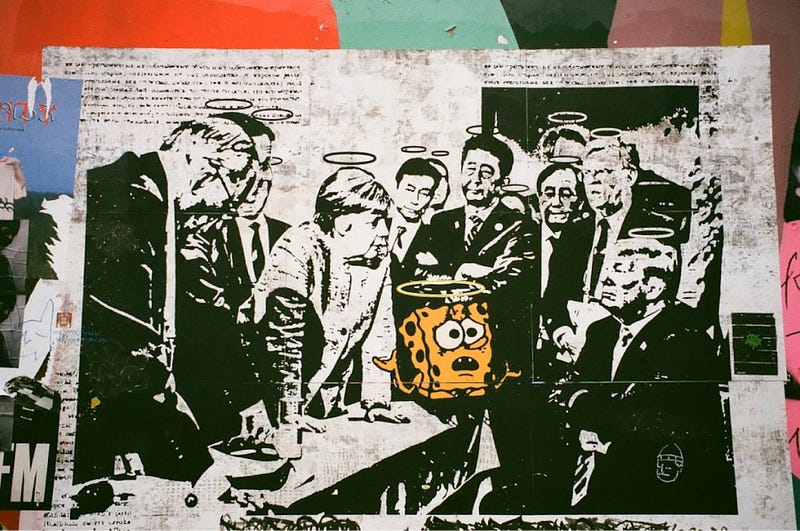
When you read the title, what’s the first thing that comes to mind? Did you immediately want to tell me every reason why I’m wrong, or why the title’s dumb? Perhaps you were initially drawn in by the absurdity and clicked out of curiosity. Or maybe you felt some strange relief, like, “finally — someone said it”. Whatever your first reaction, that’s the point. The title is bait, it’s meant to provoke. Because right now, everything feels like provocation. And maybe that feels a little cheap, but look around. Everything feels like bait these days, because that’s what politics does — it baits you.
The Age of Outrage
We’re living in one of the most politically sensitive eras in recent history. Outrage feels like the national language. Everywhere you turn, someone is yelling, demanding you pick a side. A video game releases with a character who doesn’t fit the stereotype — suddenly it’s a political issue. A movie puts an all-female cast at the center — someone cries it’s “part of an agenda.” A social movement gets a hashtag, and instantly, people start policing who’s posting it and why.
And there lies the problem: the louder the shouting gets, the smaller you feel. Politics wants you to think you’re participating, that your voice matters, but it thrives on making noise, not creating connection. It exists in headlines, sound bites, and talking points, rarely touching the messy, unpredictable, beautiful reality of life. Politics survives by latching onto what’s real — your emotions, your experiences, your communities — and turning them into fuel to keep its machine alive, but only enough to stay quiet, only enough to play along. That’s why it preys on movies, songs, murals, and jokes. Take away the heart, and politics is nothing but hollow noise.
The Power of Art
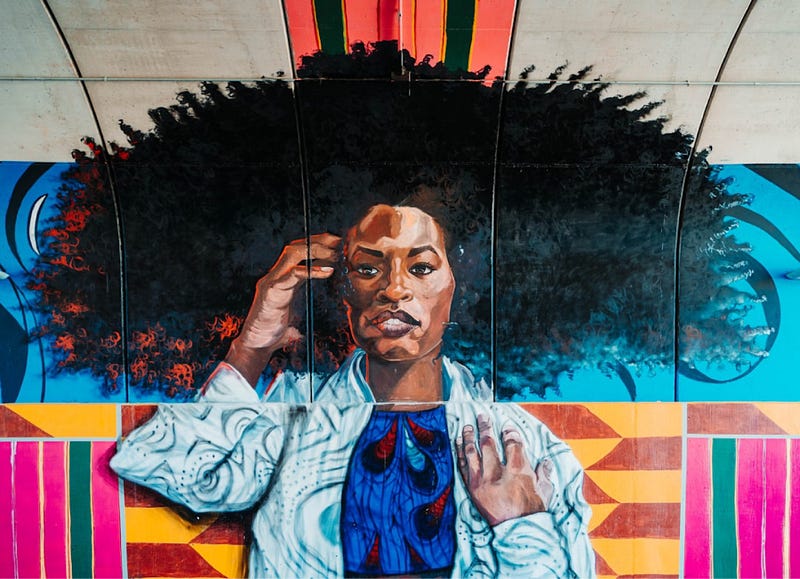
Art, on the other hand, marches to the beat of its own drum. It empowers. It gives a voice to what you feel, to what you’ve lived. It doesn’t ask you to pick a side. It asks you to express, to connect, to matter in ways politics never can. It captures the moments that take your breath away, the things that make you laugh until your stomach hurts, the feelings you can’t put into words. Like hearing a song that takes you back to your first date, or the sound of laughing in a crowded club at a joke you’ll remember for years. It’s a mural painted on a city wall that somehow captures the exact thing you’re feeling. Those moments aren’t political — they’re human. They’re messy, surprising, and beautiful. They are expressions, and they are real. Art imitates life, and life imitates art — and that’s what makes it matter.
Why Is Everything Political?
Politics is obsessed with controlling emotions because it knows its limits. A law can order you to behave, but a song can make you believe. A speech might hold your attention for a week, but a story can change how generations see the world. That’s why governments, corporations, and movements fight to control the platforms where we create movies, music, and community. That’s why TikTok scared the establishment so badly they tried to ban it, only to twist it into a deal so murky that no one really understands it. The fear wasn’t the app — it was the loss of control over millions of voices. And that’s exactly why everything becomes political.
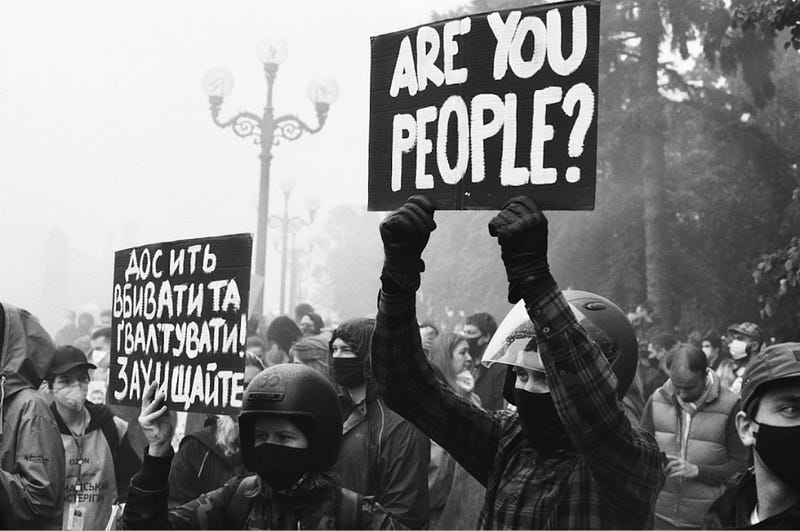
Sometimes that control works. Sometimes raw expression gets swallowed up, turned into performance. Think of the black squares plastered across Instagram at the height of the Black Lives Matter movement. At first, it was solidarity. However, as the symbol spread, it became performative, diluted, and stripped of its raw meaning. Quickly, the gesture felt hollow — but the art itself, the act of expression, was still alive beneath the surface.
Despite its opponents, human expression always pushes through. Even in the darkest, ugliest moments, people leave messages — like carving words into a bullet, creating YouTube channels that radicalize or inspire, or starting a hashtag that spreads faster than censors can catch it. These acts aren’t political strategies — they’re attempts at meaning. They ripple outward because someone needed to say something, and someone else felt it too.
What Lasts
In the grand scheme of things, politics moves in cycles. Outrage dies, headlines vanish, laws change, officials come and go. But the song your parents played in the car, the film that made you cry as a teenager, the joke you still laugh at with friends — those live on. A politician can, at best, sway half a country. But a good story, a good film, a good song can outlive generations. That’s why I keep coming back to this: what we create isn’t political. It’s human. It’s how we process life, how we share it, and how we make sense of it.
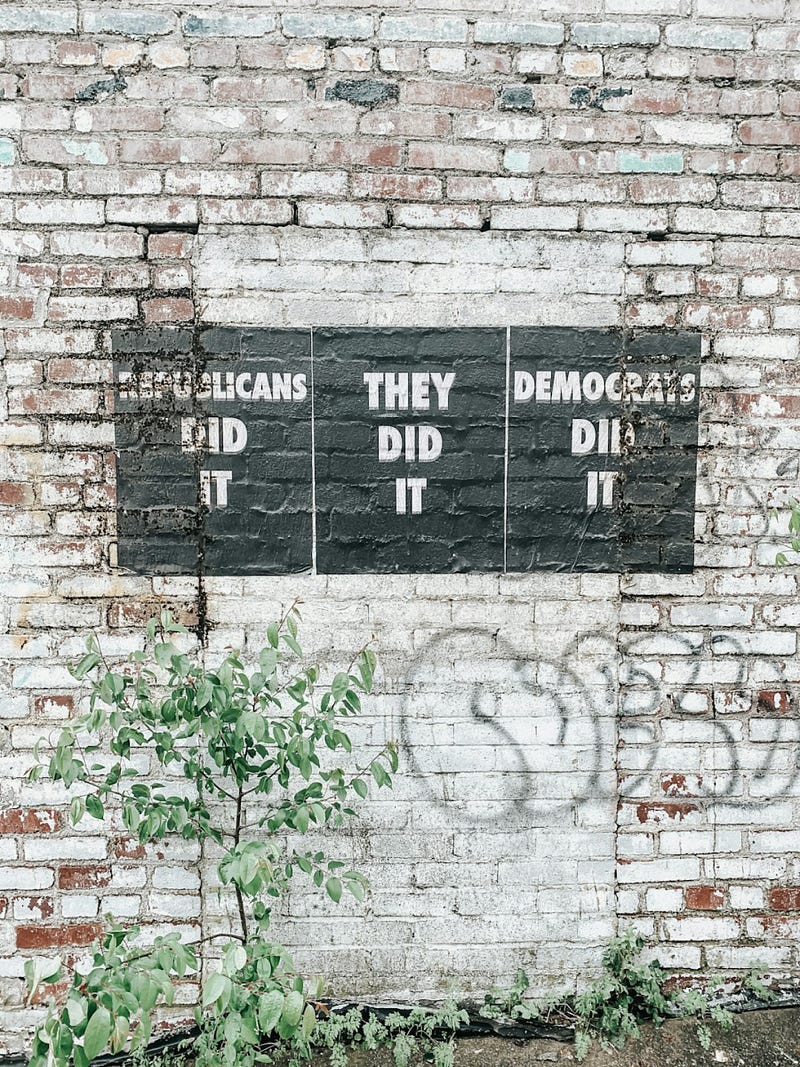
So maybe the call to action isn’t to fight harder in the shouting match. Maybe it’s time to step outside of it. To create more. To listen more. To protect the spaces where expression still breathes. Because that’s where we find each other again — not in the noise of politics, but in the shared experience of being human.
This isn’t about denying politics – it’s about reclaiming the space where expression still breathes.
By Steven Nesbitt on .