
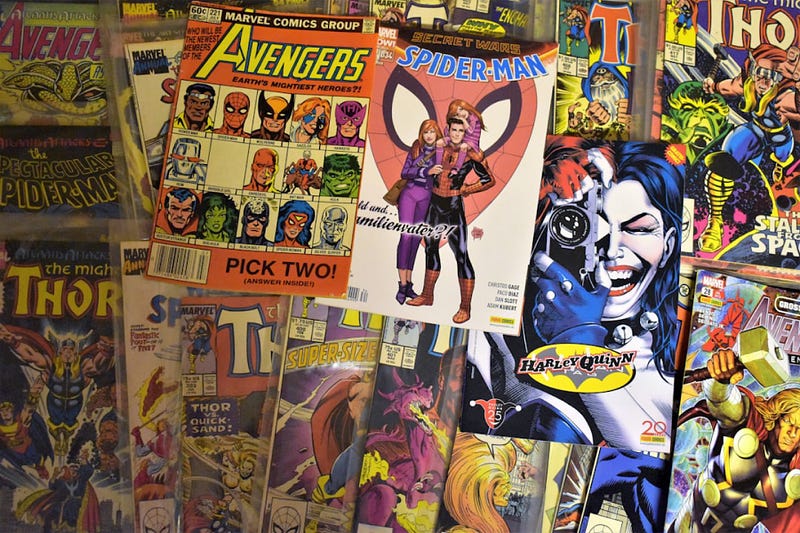
This entire post actually stemmed from a conversation I had with a friend. Every time I get excited and start breaking down what’s happening in comics, he hits me with the same line: “Bro, I have no idea what you’re talking about.” No matter how I tried to ease him into it, that first hurdle was always the hardest to overcome.
And honestly? I get it. When you’ve been reading comics since you were a kid, you naturally understand the retcons, the lore, the universe resets, the character histories, the weird spin-offs, all of it. But if you’re on the outside looking in, the whole thing can feel like walking into a show that’s ten seasons deep. You don’t know who’s related to who, who’s dead, who came back, who got rebooted, who used to be a clone, or who’s a Skrull today — it looks overwhelming.
So I wanted to make something simple. Something approachable. Something you can send to your friend who wants to get into comics but doesn’t know where to start. Something with actual sources, but not something that reads like a homework assignment.
Let’s get into it.
1. Start With One Character You Like.
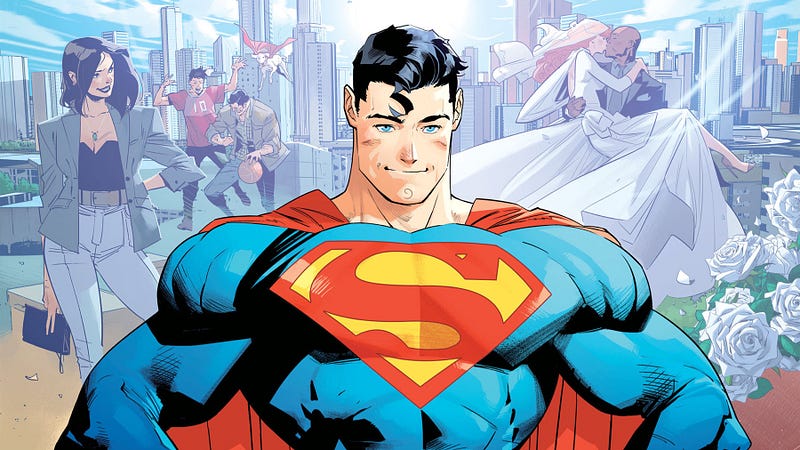
The easiest way in is picking one character and just… following them.Not the entire universe. Not the entire brand. Just one character.
You can look up their most popular storylines on Google, check out recommended reading orders, or literally just scroll through Amazon until a cover catches your eye. Start with issue #1 of whatever run interests you. It doesn’t need to be the first comic ever made for that character — just the first issue of the run you picked.
Quick Note: What’s a “Run”?
A “run” is just a stretch of issues written by the same writer or creative team. Think of it like a TV show season — same vibe, same voice, consistent storyline. It’s why people say, “Start with this run.” It’s clean, structured, and easy to follow.
Modern comics have tons of natural jumping-on points. New writers take over all the time, new arcs begin, new tones start. You can hop in anywhere as long as the story feels interesting to you.
Sticking with one character also gives you a lens into the bigger universe. When big events happen — Civil War, Crisis, Secret Wars, whatever — your character will usually have their own tie-in arc that helps you understand the bigger picture. Spider-Man in Civil War is a perfect example: his personal arc runs alongside the main event, and eventually it all connects.
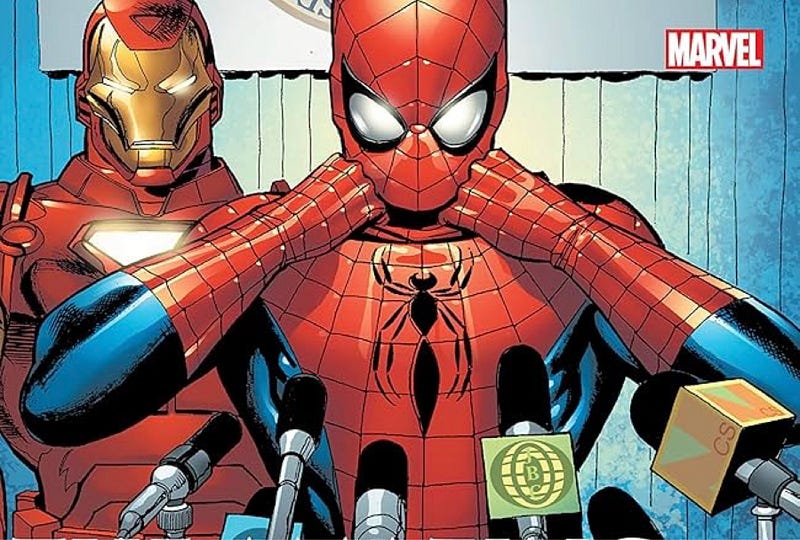
And if characters reference something you missed? Don’t panic. Comics literally put little text boxes saying, “See Issue #___ for more context.” Use those as breadcrumbs. Read them if you want. Skip them if you don’t.
The point is: you do not have to start from the 1960s and work your way up. Start where you want.
2. Stop Treating Comics Like Homework

A big fear new readers have is thinking they need to know everything — every backstory, every power change, every retcon, and every weird relationship arc (and some of those are messy, trust me).
You can read all of it if you want, but you absolutely don’t have to.
Comic characters have been written by dozens of writers across decades. Everyone has their own voice, their own direction, their own interpretation. You’ll drive yourself crazy trying to assemble a “master timeline” right out the gate.
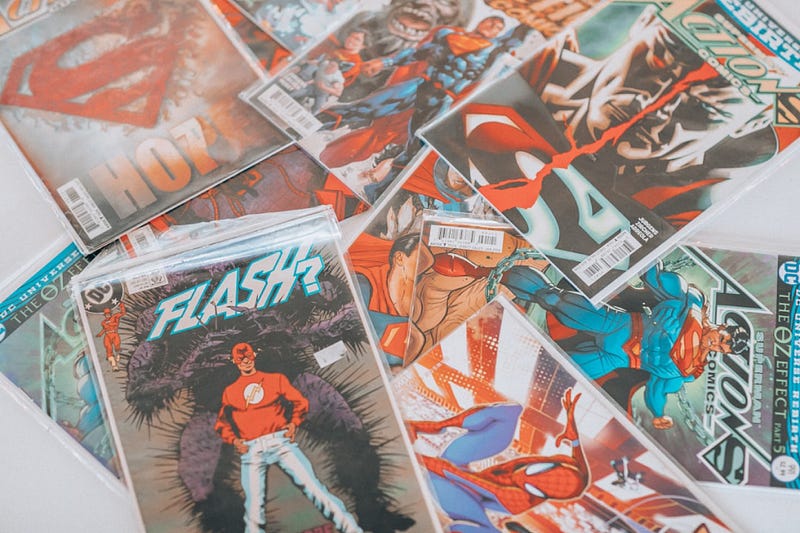
And on top of that, internet culture tends to amplify the pressure. Social media makes it look like only experts are welcome, as if you need forty years of continuity filed away to keep up. But real fans don’t operate like that — we all have gaps, skipped eras, and parts of the lore we simply never got around to.
You don’t need to be a historian. Just enjoy the stories that resonate with you.
3. Free Resources That Make it Way Easier
If you’re someone who wants to preview stories before reading them, or you enjoy having someone walk you through the big moments, there are a few amazing online resources that basically act as your tour guides:
Comicstorian
RIP Benny, but his channel is a treasure trove. He takes comics and reads them like dramatic audiobooks — full narration, sound effects, edits. Videos range from quick five-minute recaps to hour-long deep dives. His playlists make it super easy to follow storylines from start to finish.
Mullet-Man Comics
He’s got a chill vibe but his explanations are sharp. He breaks down stories, themes, character arcs, and behind-the-scenes context in a way that’s easy to digest. Great for understanding the why behind certain events.
3. Comics Explained
As the name suggests — they explain comics. Hard. Their deep dives are legendary. If there’s something you don’t understand, chances are they’ve already covered it.
These channels don’t replace reading, but they help you get comfortable with the universes, characters, and big crossover events
4. Follow Your Taste, Not the Noise

At the end of the day, comics are just storytelling through art. They’re not a test. Not a fandom gate. Not something you have to study for.
Whether you end up loving Marvel, DC, Image, Top Cow, BOOM!, Dark Horse, or webcomics — it’s all valid. The best entry point is whatever looks cool to you. Whatever grabs you. Whatever makes you curious.
Start from issue one of the run you like. Follow one character. Let the world unfold naturally. That’s how every long-time reader got hooked.
There’s a whole universe out there just waiting for you to jump in.
Bonus: Where You Can Actually Read Comics.
A lot of people don’t realize there are super affordable — even free — ways to read comics legally online:
Marvel Unlimited
Thousands of Marvel comics for a low subscription. Perfect for exploring big events.
DC Universe Infinite
Same concept, but for DC readers. Every Bat-family run you could want.
ComiXology / Kindle
Buy digital issues individually or grab bundles. Tons of indie titles live here.
Hoopla (through your library card)
Seriously underrated. You can borrow digital comics for free through your local library — Marvel, DC, Image, Dark Horse, all of it.
Loved this guide? There’s plenty more where that came from. Dive into Simple But Complex.com for tips, comics insights, and creative inspiration.
By Steven Nesbitt on .