
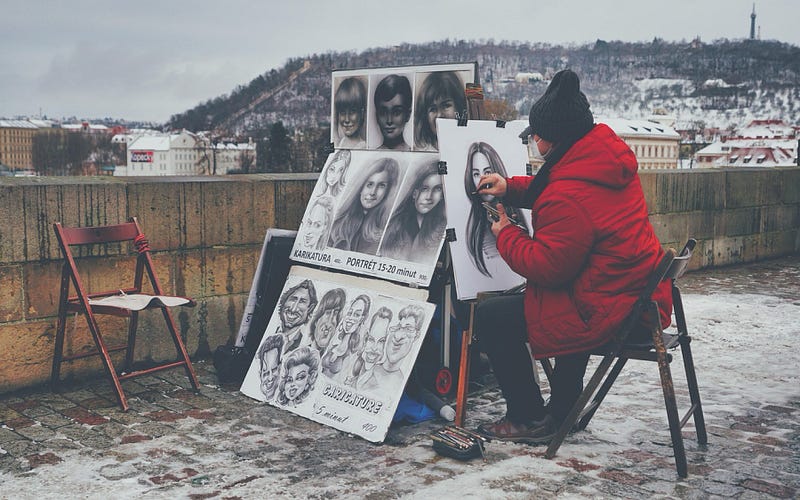
We all know the trope: the dreamers hunched over laptops in coffee shops, fueled by caffeine and borrowed Wi-Fi, typing away at their life’s work and hoping that one day everything will change. They speak passionately about the intricacies of literature, from The Odyssey to The Lord of the Rings, debating which series reigns supreme while chasing a publisher, an audience, or even just a moment of recognition.
But behind that image lies a reality that’s often ignored. Being an independent artist is brutal.
The Road Leas Traveled.
This isn’t a profession for the faint of heart. There’s no salary, no health benefits, no company picnics. And in the beginning, there’s certainly no money. It’s all just a dream — carried on sleepless nights, endless drafts, and sheer determination.
To me, the starving artist is someone who chooses to defy convention and carve their own path, knowing full well how painful that path may be. It means pouring yourself into a story, a blog post, or a novel, only to toss it into the infinite void of the internet and hope it lands somewhere. And even if it does, what then? Do you just start again?
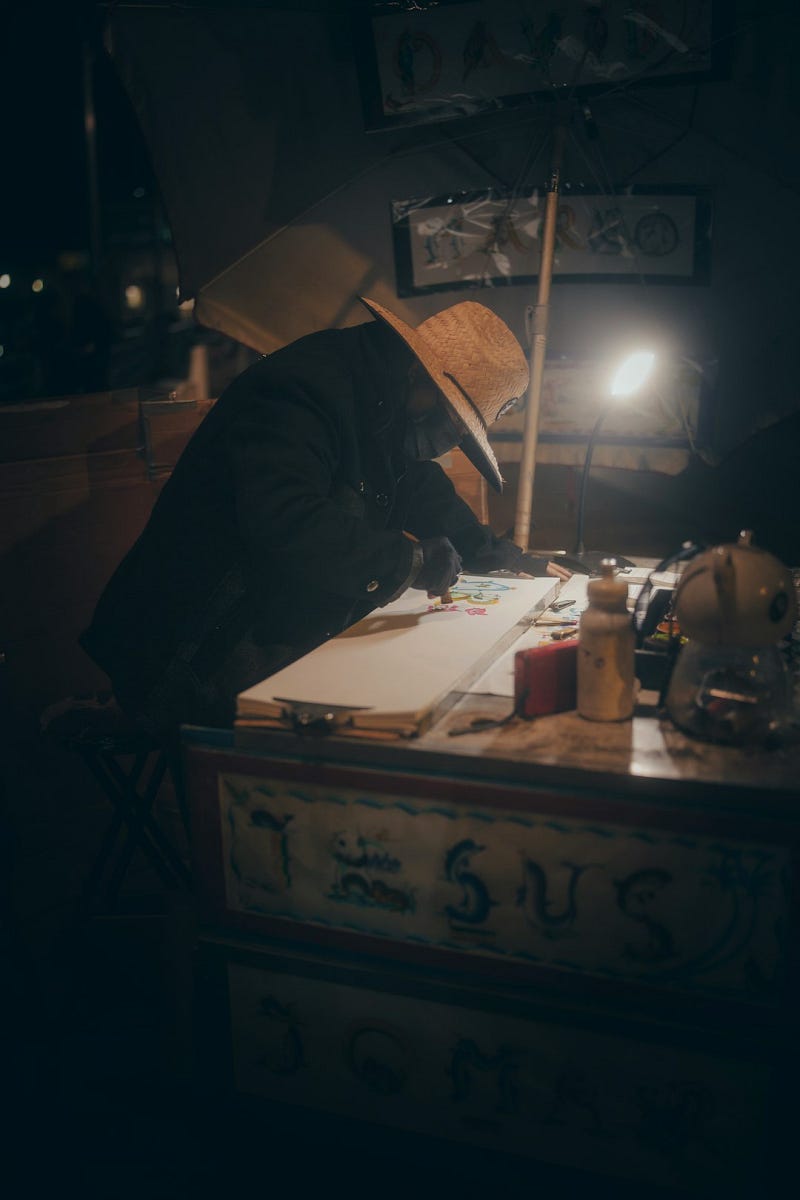
That cycle can feel demoralizing. It’s exhausting to give so much and expect so little in return. At times, it feels irrational. But that’s also where the beauty of the starving artist lives — in the relentless drive to keep going, recognition or not.
The starving artist is the reporter who steps into danger zones most of us would never dare to enter. They are the graffiti artist who transforms a forgotten wall into something that makes strangers stop and stare. They are the protester in the crowd, the activist with a pen, the voice that refuses to be silenced — fighting to be heard when it matters most.
Through The Looking Glass.
At its core, art is born from struggle. It doesn’t just reflect reality — it refracts it. It bends and reshapes our experiences, offering new angles and deeper truths. The starving artist steps through that looking glass, using their work to explore pain, confront injustice, and make sense of the chaos — for themselves and for anyone willing to look. Their work becomes a lens, sometimes warped and sometimes painfully clear, through which we see what we’ve ignored, forgotten, or misunderstood.
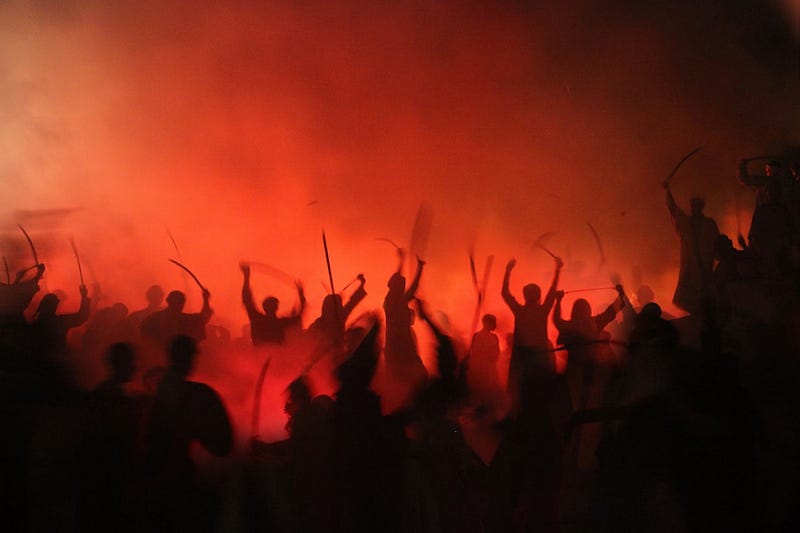
This kind of art doesn’t always comfort. Sometimes it confronts. It asks hard questions. It holds up a mirror and dares us to look. The starving artist doesn’t just create beauty; they create clarity. They take chaos and carve meaning from it, even when that meaning is uncomfortable. Even when it hurts.
The Cost of Creation
The truth is, art is not easy. Writing short stories is grueling. Novels do not appear over a weekend. Plays are not thrown together overnight. Every creation has a story. Behind every canvas, script, or paragraph lie late nights, early mornings, sacrifices, and suffering. Even the wallpaper on your phone was designed by someone who gave up something just to make your screen stand out.
What makes this even harder is the silence that often follows. The tragedy is that many artists are not recognized until they are gone. Only then is their work rediscovered, reappreciated, and honored — after they have already given everything they could.
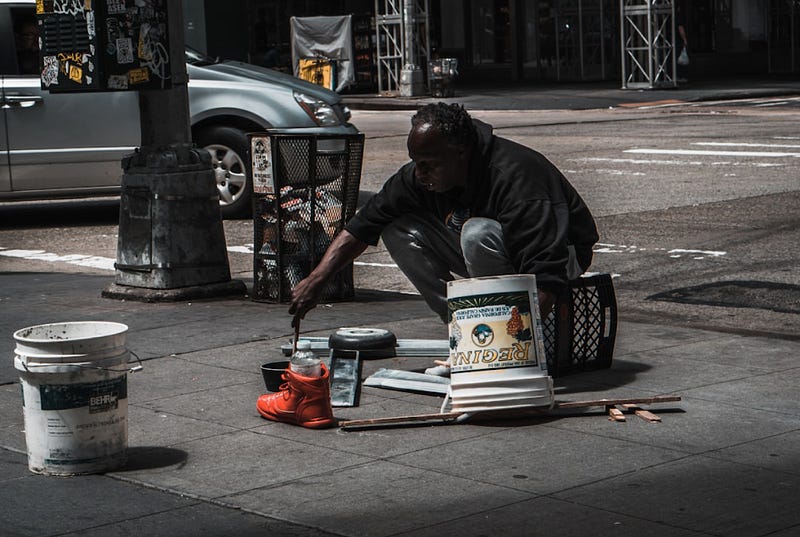
But the hunger of the starving artist is not about money, power, or even food. It is about impact. It is about creating something that outlives them. Because maybe, just maybe, the suffering of the artist can help the world make sense of its own.
It’s More Than Just Art.
This is why the starving artist matters. Not because they are glamorous, or tragic, or mysterious. But because they are necessary. They are the ones who choose to feel deeply, to speak honestly, and to create something that might help someone else feel less alone.
Their work may never trend. Their names may never be known. But their impact is real. It lives in the stories that make us cry, the songs that make us feel seen, the images that stop us in our tracks. It lives in the quiet moments when someone reads a line and thinks, “That’s exactly how I feel.”
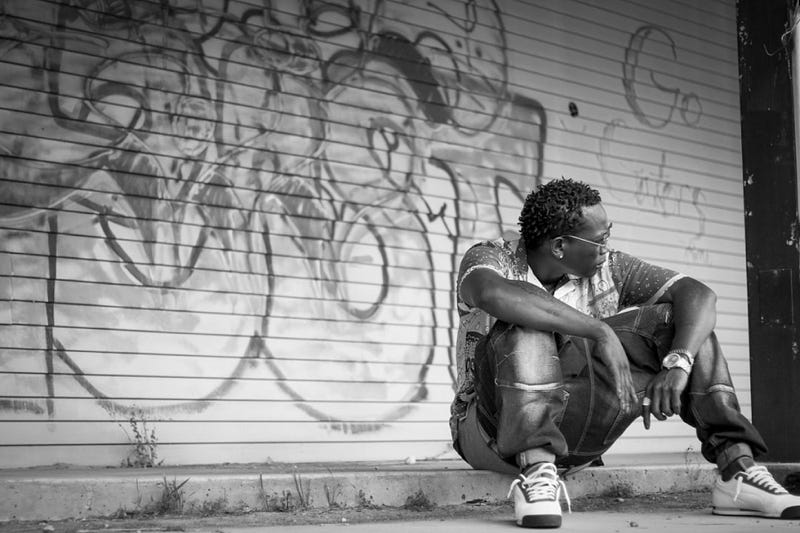
So if you are that artist, feeling tired, uncertain, and wondering if it’s worth it, keep going. Your work matters, even when it feels like no one is watching. Especially then.
Because the world doesn’t just need more content. It needs more truth. And that is what the starving artist gives us, again and again, without asking for anything in return.
By Steven Nesbitt on .