
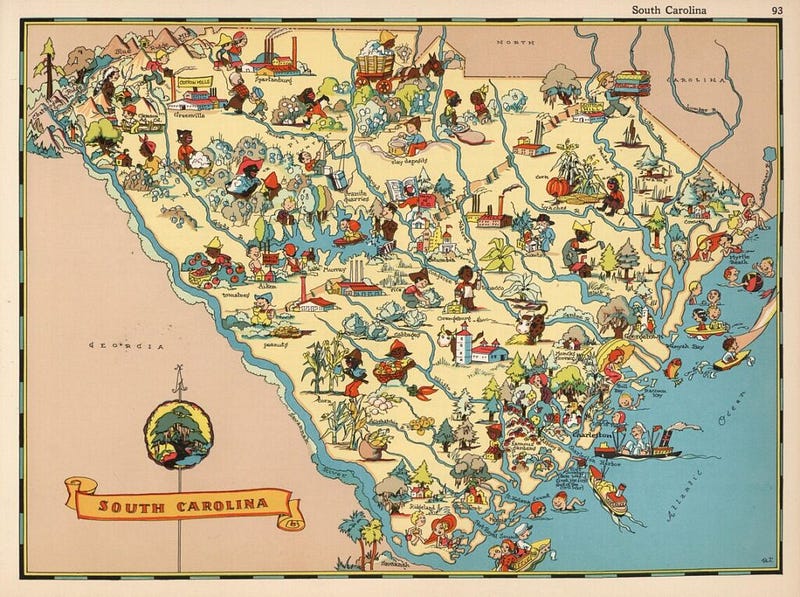
Most people don’t realize it, but South Carolina has had an overlooked role in the history of American comic books. While the industry is often associated with places like New York City and Hollywood, the Palmetto State’s fingerprints can be found throughout the medium’s development, from forgotten figures who influenced comic history to the institutions working tirelessly to preserve it for future generations.
One of the earliest connections between South Carolina and comics history can be found in the life of Adolphe Barreaux, an African American writer and artist active during the height of pulp magazines in the 1930s and during the Golden Age of Comics. Born in Charleston, South Carolina, in 1899, Barreaux moved north as a teenager with his two aunts during a time when Jim Crow laws, segregation, and racial violence made opportunities for Black artists nearly impossible in the South.
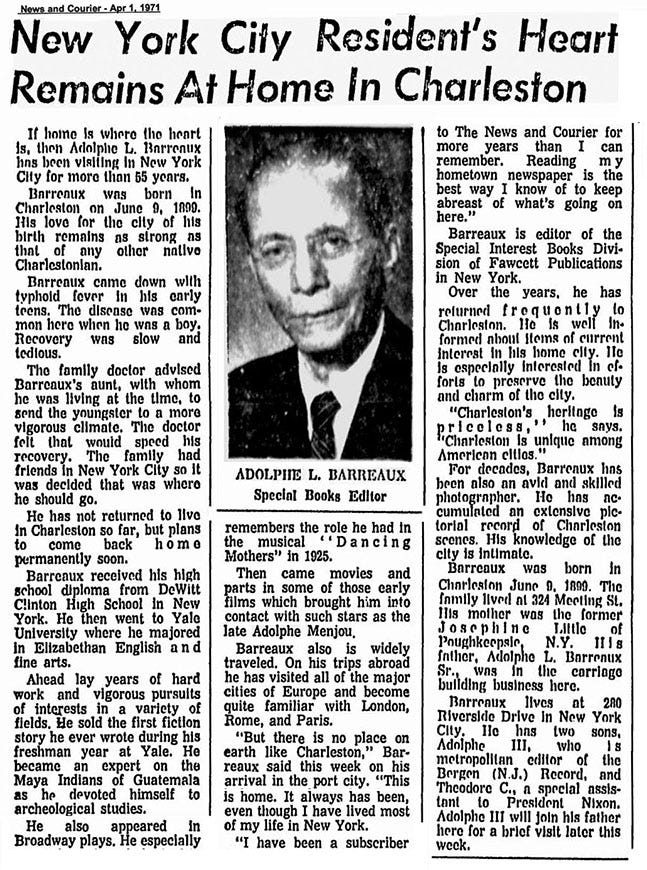
After graduating from the Yale School of Fine Arts, Barreaux worked for publisher Harry Donenfeld at National Allied Publications, contributing art and stories to titles such as *Spicy Adventure*, *The Enchanted Stone of Time*, and *Sally the Sleuth*. Barreaux is also credited with contributing to *New Fun* #1, the very first ongoing comic book series published by National Allied Publications, which would eventually go on to become DC Comics as we know it today. Outside of his publishing work, Barreaux operated his own art studio, where his team produced artwork for *Olga Mesmer (The Girl with the X-ray Eyes)*, a comic strip that has often been cited by historians as an early precursor to the modern superhero, predating many of the conventions later associated with characters such as Superman.
Yet Barreaux’s name is rarely recognized today because he had to conceal his race and identity to survive in a publishing industry dominated by racial prejudice. Since the beginning of modern comics in the 1930s and 1940s, Black comic creators were excluded from mainstream, white-owned publishing companies such as Timely (now known as Marvel Comics) and DC Comics.
Even when Black creators attempted to establish their own publishing initiatives to counteract these discriminatory hiring practices, newsprint vendors refused to promote their content. In fact, this exclusion led to the premature termination of the Black publishing initiative All Negro Comics in 1947, which ceased after releasing only a single issue.
But despite all of these obstacles, Barreaux managed to carve out a place in an industry that would not have openly hired a Black artist or allowed a Black story to survive. His career should serve as a reminder that South Carolina’s influence on comics began with someone who succeeded in spite of the world around him.
A Legendary Creator Finds a Home
South Carolina’s comics legacy did not end there.
Dave Cockrum is one of the most influential comic book artists of the 20th century, who ultimately made South Carolina his home. Although he was born in Pendleton, Oregon, Cockrum spent his final years living in Belton, South Carolina, where he passed away in 2006 at the age of 63.
Cockrum began his career as an assistant and later worked on influential series such as *The Legion of Super-Heroes* for DC and *The X-Men* for Marvel. He also co-created Storm in 1975’s *Giant-Size X-Men* #1, making her the first mainstream Black woman in comics and the second Black woman introduced in Marvel Comics. He also introduced other characters such as Nightcrawler and Colossus, and later designed Black Cat for writer Marv Wolfman in 1979.
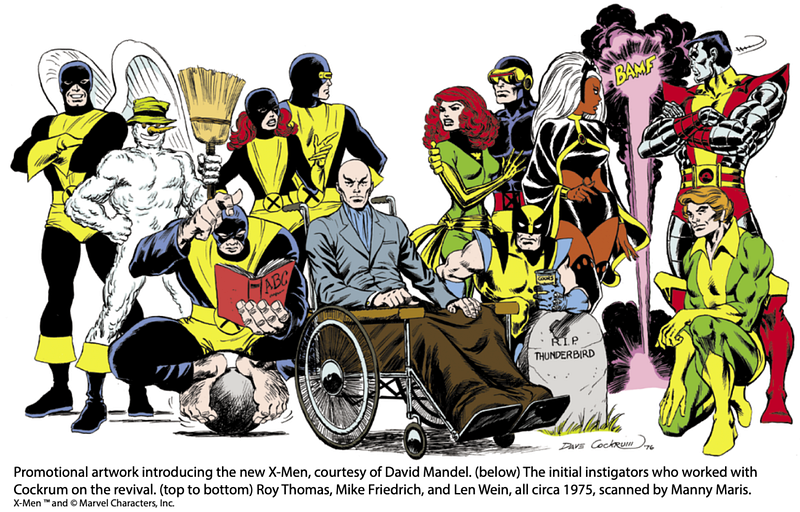
Although his time in South Carolina did not shape his early career, he became a meaningful part of the state’s creative legacy, just as his work helped shape the legacy of comics.
Preserving Comics History
South Carolina’s contribution to comics extends beyond the creators who have called it home.
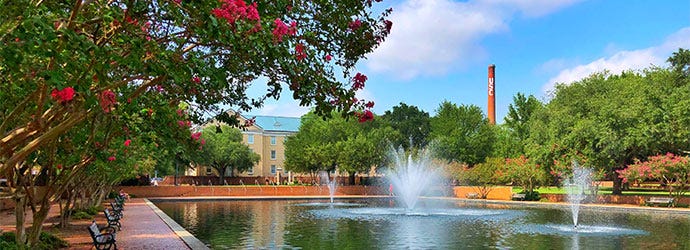
Today, the University of South Carolina houses one of the largest public comic book archives in the United States. This extensive collection was donated to the university in spring 2019 by lifelong enthusiast Gary Lee Watson. It includes more than 143,000 comic books, 20,000 magazines, 15,000 paperbacks, and 5,000 pulp publications. This acquisition has established the Irvin Department as one of the nation’s leading public repositories of comic books, positioning the University of South Carolina as a premier institution for comic book studies.
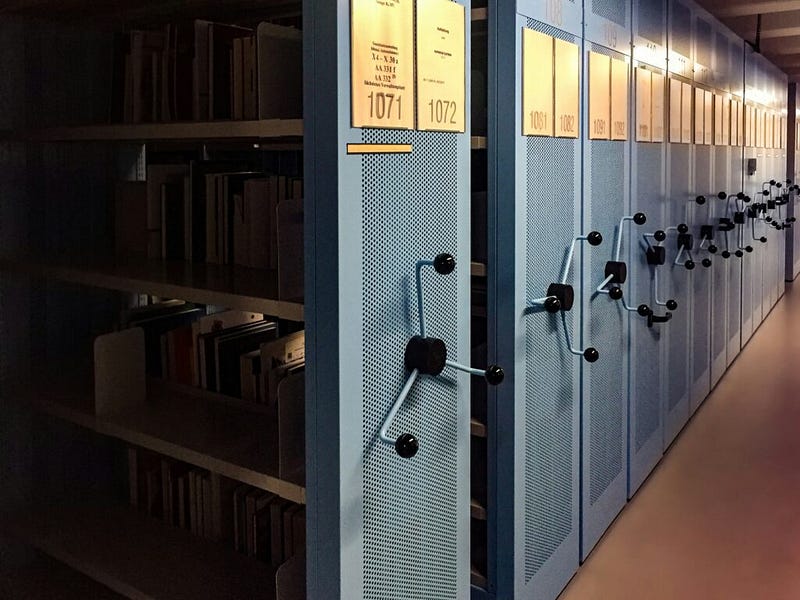
Watson chose the university not simply to preserve his collection, but to ensure that it remained accessible to students, researchers, and the public. Rather than sitting unseen in storage, these stories will continue to educate, inspire, and spark new conversations about the history and cultural significance of comics. More importantly, it ensures that this history remains accessible. As anyone with a photo ID can visit the library and explore the collection firsthand.
Although it might not seem obvious at first, South Carolina has long produced and inspired pioneers whose work has helped shape the comic book industry and influence stories enjoyed around the world.

South Carolina may not be the first place people think of when they think about comic books. Yet its history tells a different story. From overlooked creators, influential artists, and one of the nation’s largest public comic archives. South Carolina’s connection to comics is both deeper and more enduring than many realize.
So whenever you watch the next big summer blockbuster, remember South Carolina, because our roots are there too.
Want to read more stories like this? Subscribe to Simple But Complex and follow along for more comic history, creator spotlights, and independent comics.
Originally published at https://simplebutcomplex.com on June 12, 2026.
By Steven Nesbitt on .